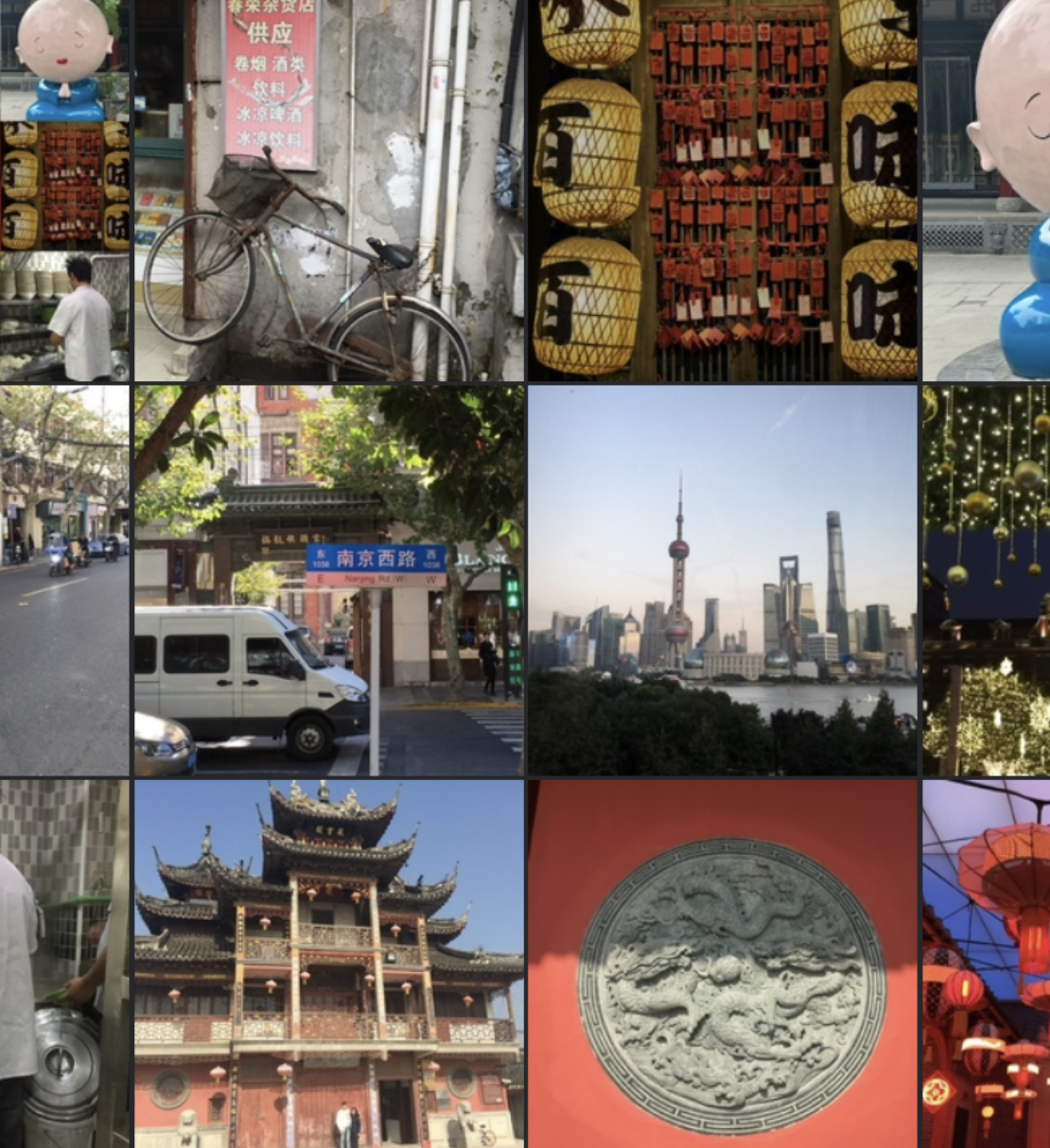
Travel photography has become incredibly popular. It offers the chance to connect our experiences with memory, and to share our adventures with our friends and family. It also allows us to capture and preserve incredible moments, creating a visual record of our journeys and the cultures we encounter. Beyond just documenting locations, travel photography can be a form of visual storytelling, inspiring creativity and experimenting with different techniques. In order to make the most of your next adventure, consider these easy tips and tricks, to ensure you bring home some absolutely epic photos.
1. Take a lot of photos
As a rule, always take more photos than you think you will want or need. It is always better to overshoot than to under shoot. Once you are safely back home, you can sort and edit your photos to determine what images you want to keep. Remember to shoot from different angles, get lower, higher, or closer to create an interesting composition. Also, when traveling, it isn’t always convenient to drag large equipment with you to every location. If for any reason you don’t feel comfortable using your camera, then use your phone instead. Just don’t miss the opportunity to take some great photos.
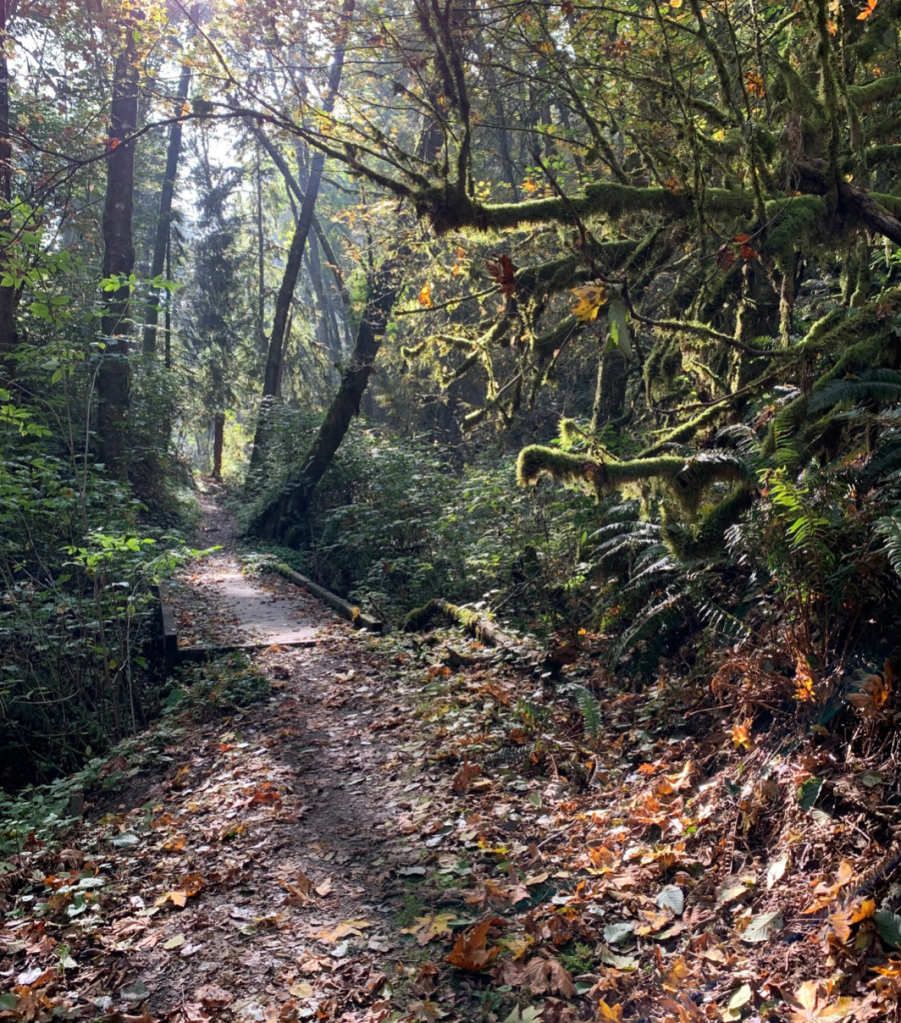
Photo taken by Caden LeClair. Forest Park, Portland, Oregon
2. Lighting
Lighting is important because it impacts the quality of your photos. Natural light is best. Try to avoid the harsh midday sun and consider the angle of the light source. The “golden hour” is awesome for portraits and landscapes. Mid-morning and afternoon lighting are good for creating pictures with more depth and longer shadows.

Photo taken by Caden LeClair. Forest Park, Portland, Oregon
3. Composition
Composition is how the elements of a photo are arranged. This is crucial in photography because it determines how a viewer perceives and interacts with an image.
Three key elements to consider:
Rule of Thirds: An image is divided evenly into thirds, horizontally and vertically, with the subject placed at the intersection of the dividing lines, or along one of the lines.
Symmetry: Symmetry appears when parts of your composition mirror other parts. Symmetry is created when two halves of your scene look the same and balance each other out.
Leading Lines: Create a sense of depth, guiding the viewer’s eye through the image and making a more dynamic and interesting composition.

4. Depth of Field
Depth of Field (DOF) is important in photography because it lets photographers control the area of an image that appears in sharp focus, influencing the overall visual impact and message conveyed.
Photographers can use DOF to draw the viewers eye to a specific part of the image. A higher depth of field will make the image appear sharp, from the foreground to the background. A lower depth of field will make the background blurry. This can be used to improve the visual storytelling of your image, influencing the mood or feeling.
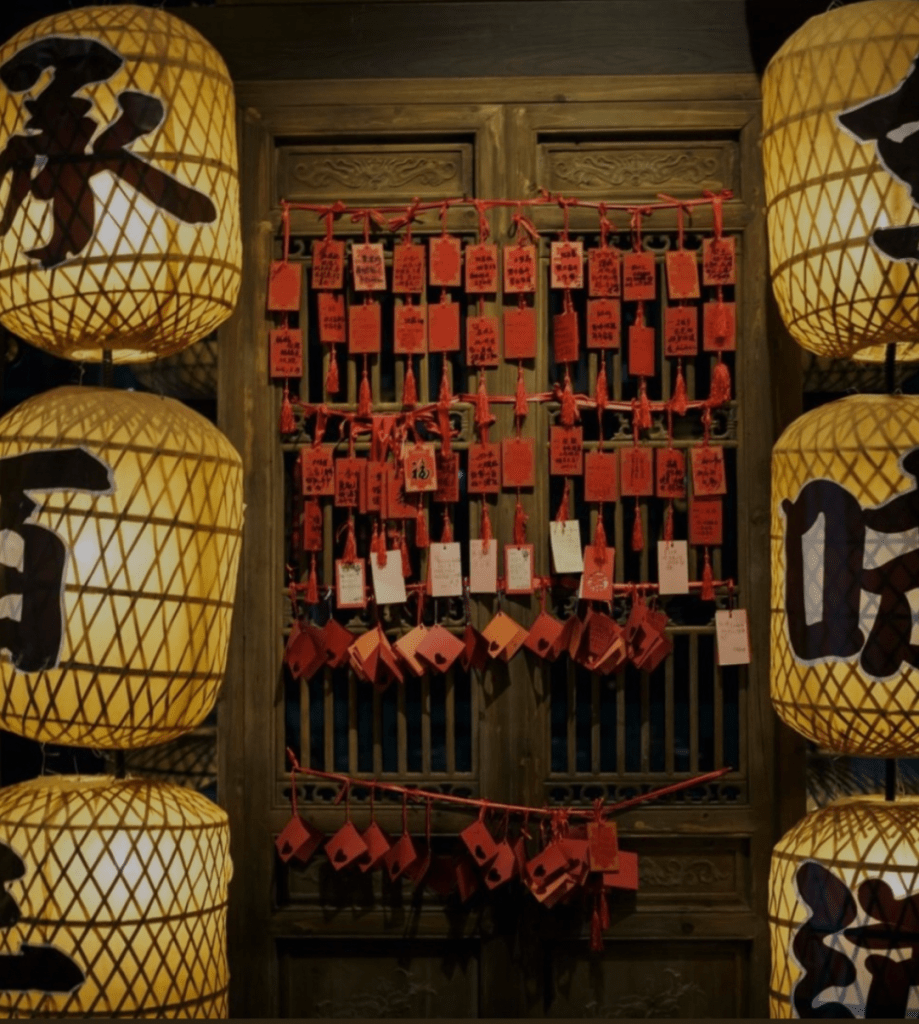
Photo taken by Caden LeClair. Tokyo, Japan
5. Pay attention to your surroundings
Look for interesting patterns, light, shapes and textures. Think about unusual details, objects, or people that contrast with the surroundings. These all help to tell interesting stories through your photos.
Research the culture of your destination in advance so you understand what is ok to photography vs what isn’t. When in doubt – always ask!
Remember to stay alert and be aware of your surroundings. Travel with a buddy if possible. Be smart, stay safe and keep taking pictures!
Resources:
Polak, J., Vaicenbacher, L., Vignoli, M., & Cox, S. (2025, June 1). Photography life. Photography Life. https://photographylife.com/
 Samayō Blog
Leave a comment