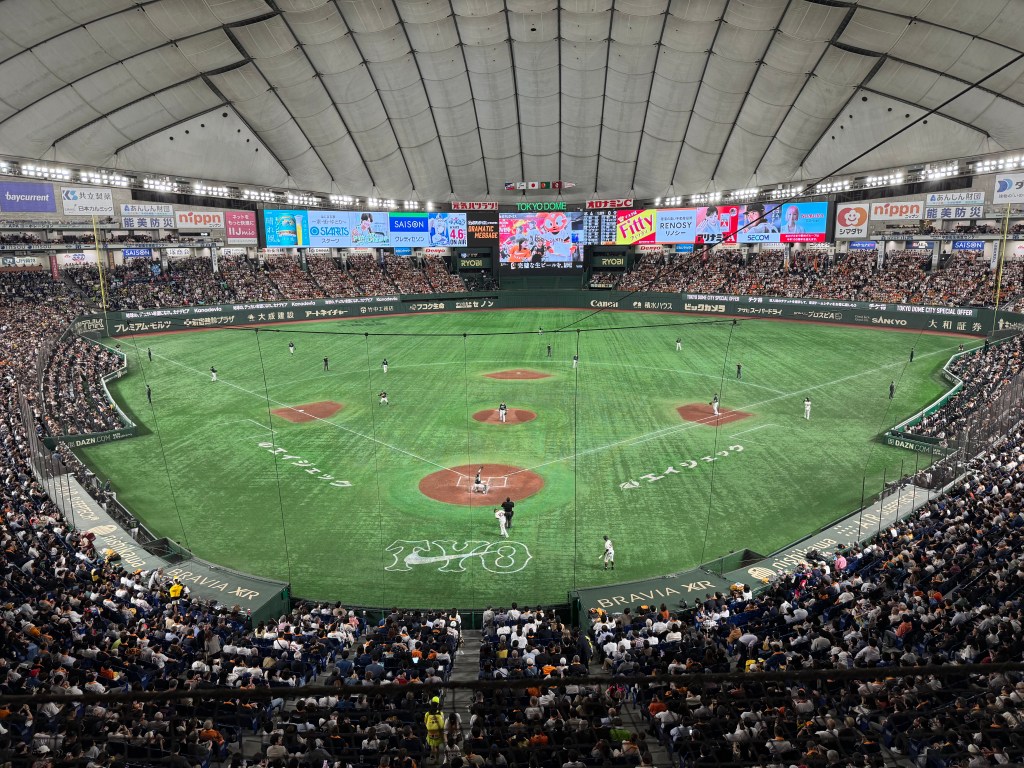
Photo: Caden LeClair. Tokyo Dome, Japan.
Baseball, known as “yakyū” in Japan, is more than just a sport. It is very much a part of the cultural identity of the country. From its introduction in the Meiji Era to its present-day status, baseball has mirrored Japan’s societal shifts. The evolution of baseball in Japan is evidence of how sports can transcend cultural boundaries, foster identity and fuel international camaraderie.
Baseball’s origins in Japan date back to the Meiji Era (1868-1912), a period marked by rapid modernization and Westernization. In 1872, Horace Wilson, an American professor teaching in Tokyo, introduced baseball to his Japanese students. The simplicity and strategic nature of the game quickly captivated the Japanese youth. By the 1880s, the sport had spread to universities and high schools, laying the foundation for widespread popularity.
The development of university baseball played a pivotal role in popularizing the sport. Beginning in 1903, the fierce rivalry between Waseda and Keio universities, became a national spectacle, drawing large crowds and media attention. These university matches not only showcased skill and strategy but also embodied the Japanese virtues of teamwork, perseverance, and honor.
High School baseball is also a major part of cultural life in the country, featuring the “Koshien” tournament every summer. This tournament is packed full of spectators and represents not just athletic ability but the values of hard work, effort, and a team-spirit among players. The focus on teamwork and discipline has deep roots in Japan, reflecting a culture that broadly prioritizes group harmony over individual accomplishment.
Whether you are a baseball fan or a curious traveler, watching a Nippon Professional Baseball (NPB) game offers a unique glimpse into Japan’s traditions, iconic stadiums and culture. The rowdy fans are known for their choreographed cheers, chants, and dances that greatly add to the community sense of going to a game.
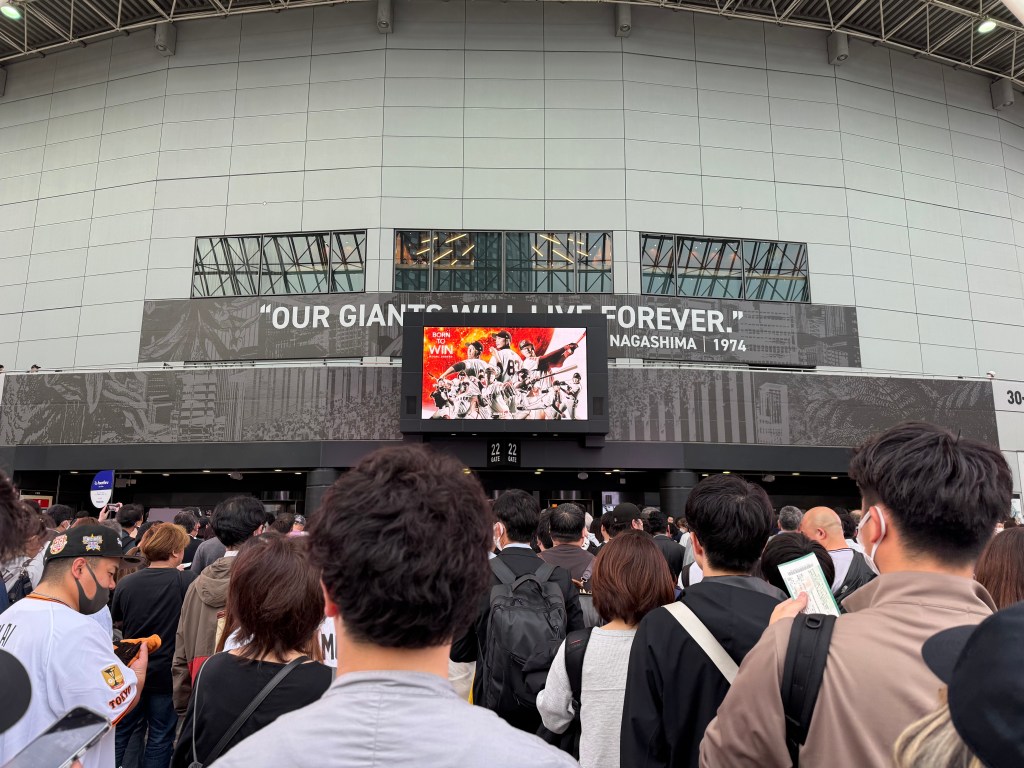
Photo: Caden LeClair, Tokyo Dome, Japan.
Nippon Professional Baseball (NPB) is Japan’s version of Major League Baseball (MLLB) in the United States. The league consists of 12 professional teams divided into the Central and Pacfic League. While the basic rules are similar to American baseball, there are key differences such as games in Japan can end in a tie after 12 innings. The ball is slightly smaller and the strike zone is interpreted differently by the umpires.
The NPB season runs from March to October. Each team plays 143 regular season games, most games start at either 2 pm on weekends and holidays, or 6 pm on weekdays. The season is divided into two half-seasons, with an All Star break in mid-July. Teams generally play six-game series, with Monday being the league day off. After the regular season, the top three teams from each league advance to the Climax Series playoffs. The champions of both leagues face off in the Japan Series, the best of seven championship game, similar to the MLB World Series. This is considered the most prestigious event in Japanese baseball and takes place in late October.
The easiest way for a foreign visitor to buy tickets is through online services. Each team has an official website for ticket sales. English language options are available through Ticket Pia, Lawson Ticket and Klook . Tickets generally go on sale one month before games.
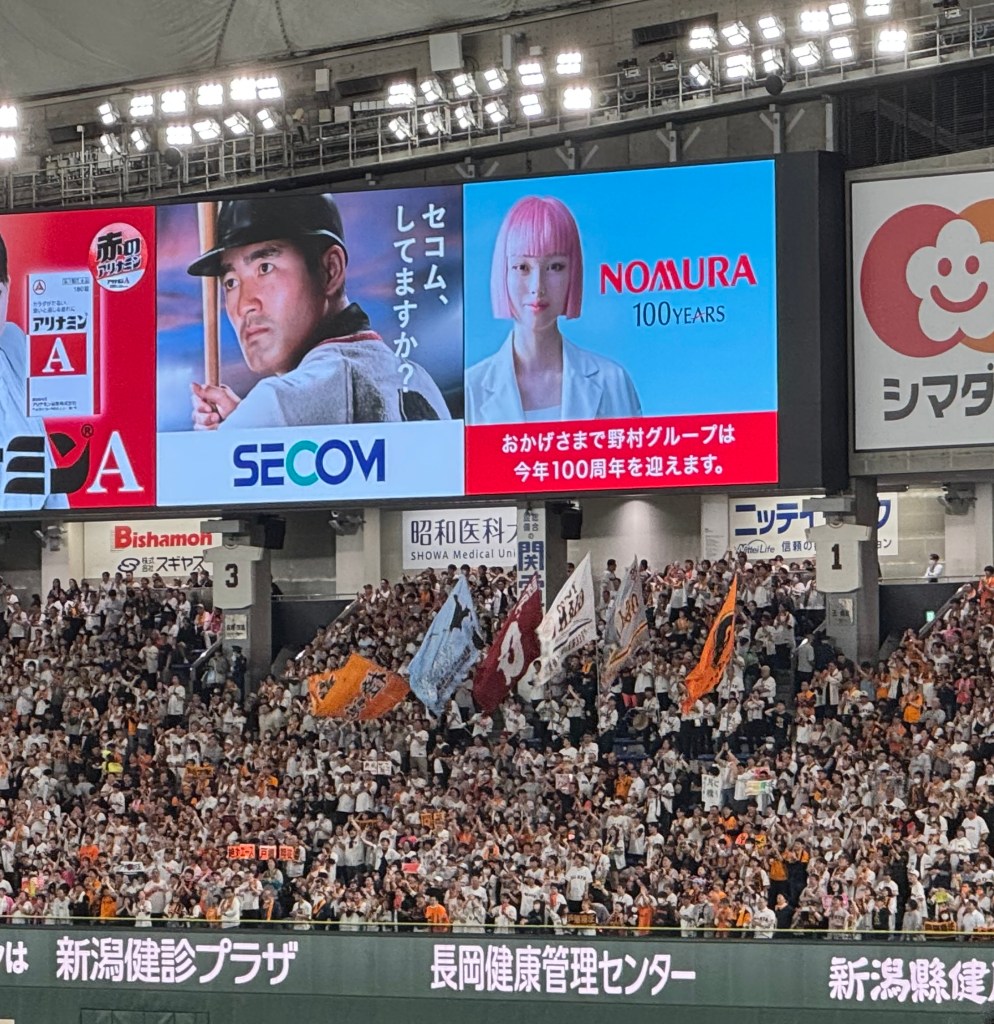
Photo: Caden LeClair, Tokyo Dome, Japan
The Tokyo Dome, also known as the “Big Egg”, seats 45,000 fans and is Japan’s most famous baseball venue. Home to the Yomiuri Giants, it offers a climate controlled facility with year-around baseball. Jingu Stadium is home to the Tokyo Yakut Swallows. This outdoor stadium offers a more traditional baseball experience. It can seat 31,000 fans and because it is an open air venue, weather can be an issue.
Japanese baseball stadiums offer a wide range of food options that go well beyond the American hot dog and hamburger, instead you will find traditional and local Japanese foods like ramen. Beer is served by “beer girls”, directly at your seat. Souvenir shops sell a wide range of team merchandise, from standard baseball hats and jerseys, to unique mascot items and limited edition collectables.
If you are planning to see a game, I recommend sitting in the reserved infield seats rather than the cheering sections. Plan to arrive early to explore the stadium and watch the pregame warm ups. Remember to bring cash – in Japan credit cards aren’t always accepted. Be aware that some stadiums don’t allow certain types of cameras or selfie sticks.
In my opinion, seeing a baseball game in Japan is a unique and immersive cultural experience. The passionate fans, the lively stadium atmosphere and long standing unique baseball traditions make it a must see event.
Resources:
Resources:
Adler, D. (2023, February 21). Japan baseball history. MLB.com. https://www.mlb.com/news/featured/japan-baseball-history
Organization, J. N. T. (2022, April 14). Baseball in Japan: Guide: Travel Japan – japan national tourism organization (official site). Travel Japan. https://www.japan.travel/en/guide/japan-baseball/.
 Samayō Blog
Leave a comment