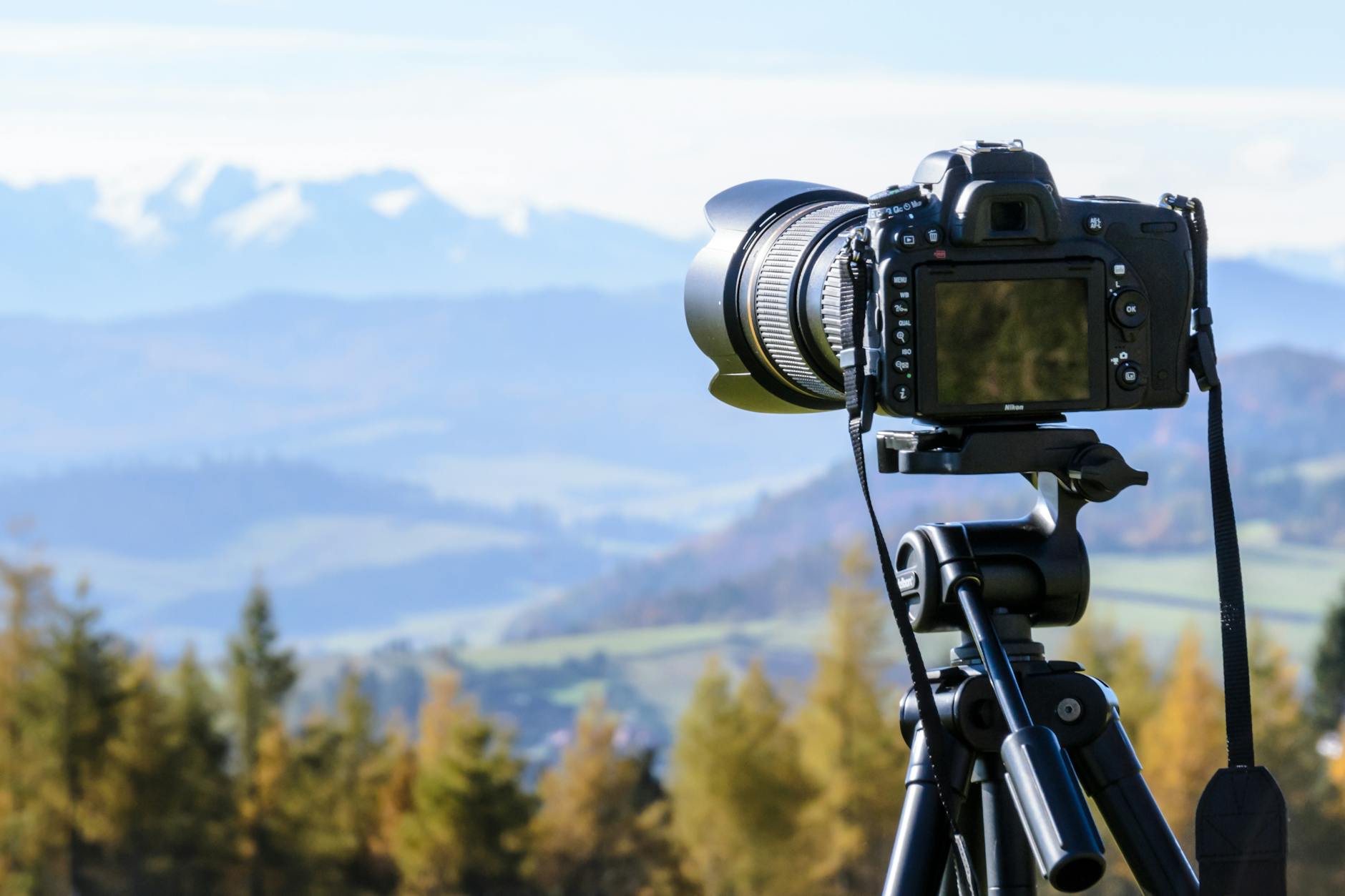
The digital age has dramatically improved photography, with higher quality images, easier editing, and more affordable equipment options. Smartphones offer photographic capabilities to virtually everyone, increasing accessibility worldwide. Beyond convenience and accessibility, photography has more benefits than you may think. While it is obviously a form of creative expression that allows people to visually tell stories, many people are surprised to learn that photography can also be an effective tool to improve mental health.
It is well documented that in our increasingly challenging world, mental health issues are on the rise. Capturing images can function as both a therapeutic outlet and a pathway to mindfulness, self-expression, and enhanced emotional resilience.
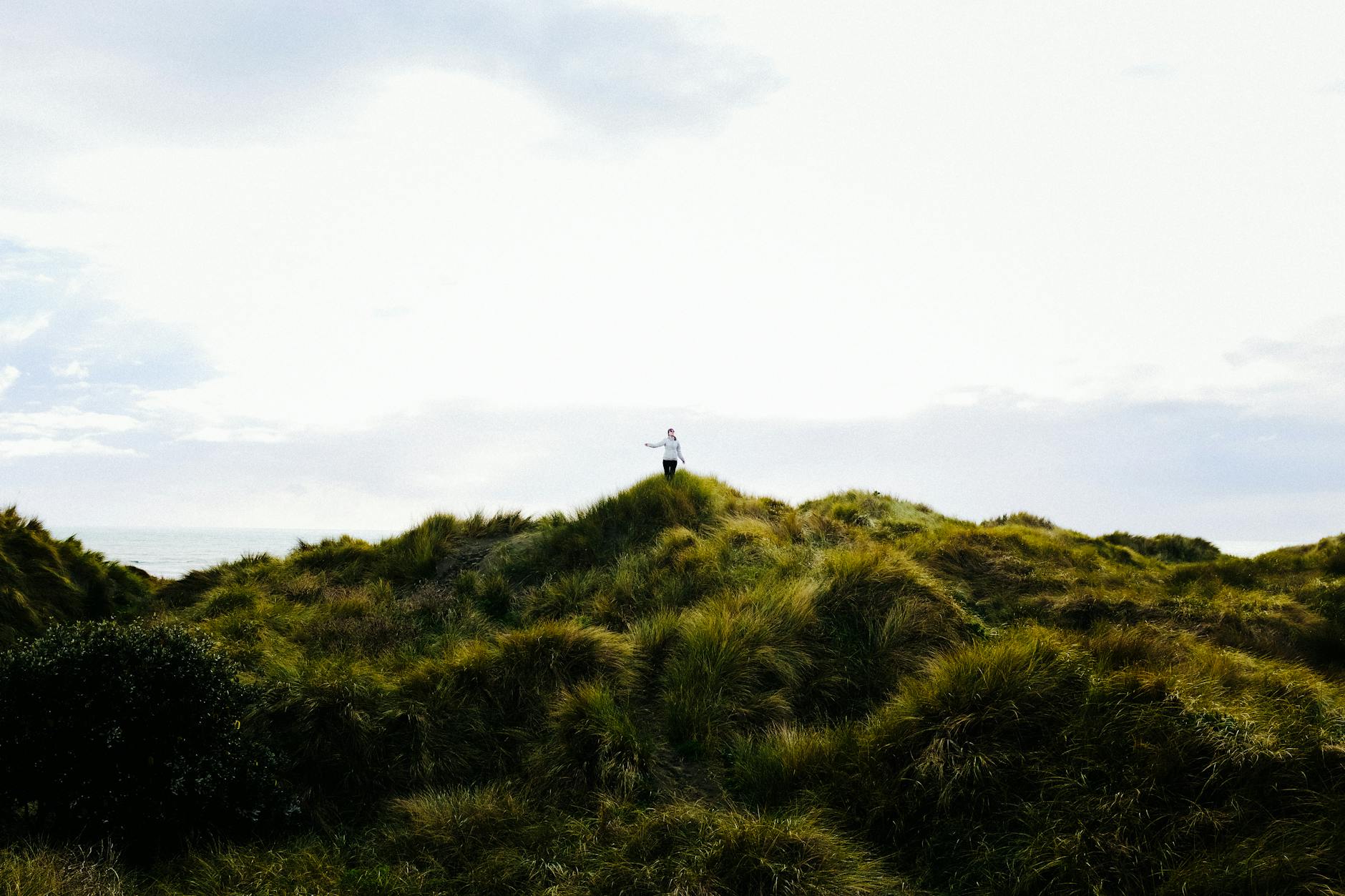
Mindfulness is the practice of being present and fully engaged in the moment. This has been recognized as an effective strategy for alleviating anxiety and depression. Photography inherently promotes mindfulness by encouraging individuals to observe their surroundings carefully, hone their focus on the details and subtleties of the world. When a photographer raises their camera or smartphone, their attention shifts away from their internal thoughts to the external environment.
A study published in the Journal of Positive Psychology found that engaging in mindful photography significantly reduces symptoms of anxiety and enhances overall well-being (Kurtz and Lyubomirsky, 2013). Participants reported that focusing on capturing specific moments forced them to pay attention to what was happening around them, leading to increased feelings of happiness and contentment. Such engagement can create a mindful state that fosters a deeper connection to the present moment, allowing individuals to escape negative or conflicting thoughts.
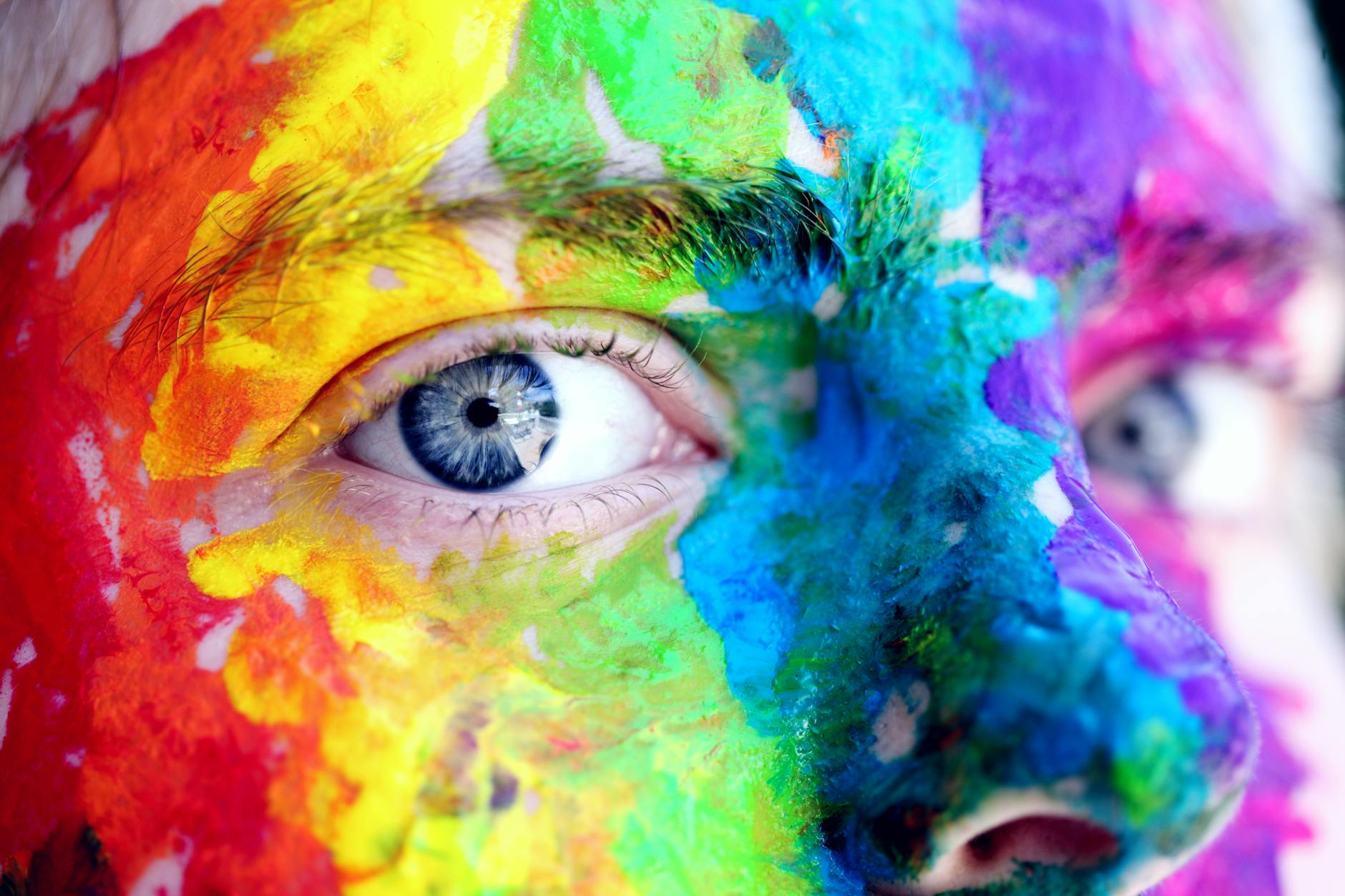
Photography is an accessible medium for self-expression. For those grappling with mental health issues, articulating emotions can often feel daunting. However, the visual nature of photography allows people to express complex feelings and experiences that may be difficult to vocalize. Through composition, light, color, and subject matter, photographers communicate personal narratives that resonate on an emotional level.
Research indicates that creative expression significantly benefits mental health by providing an outlet for emotions. Photography workshops have been used in therapeutic settings, helping participants articulate feelings of grief, trauma, and joy visually. The act of creating and sharing photographic stories can foster community connection and reduce feelings of isolation. Thus, photography becomes not only a personal endeavor but also a means to share one’s journey with others.
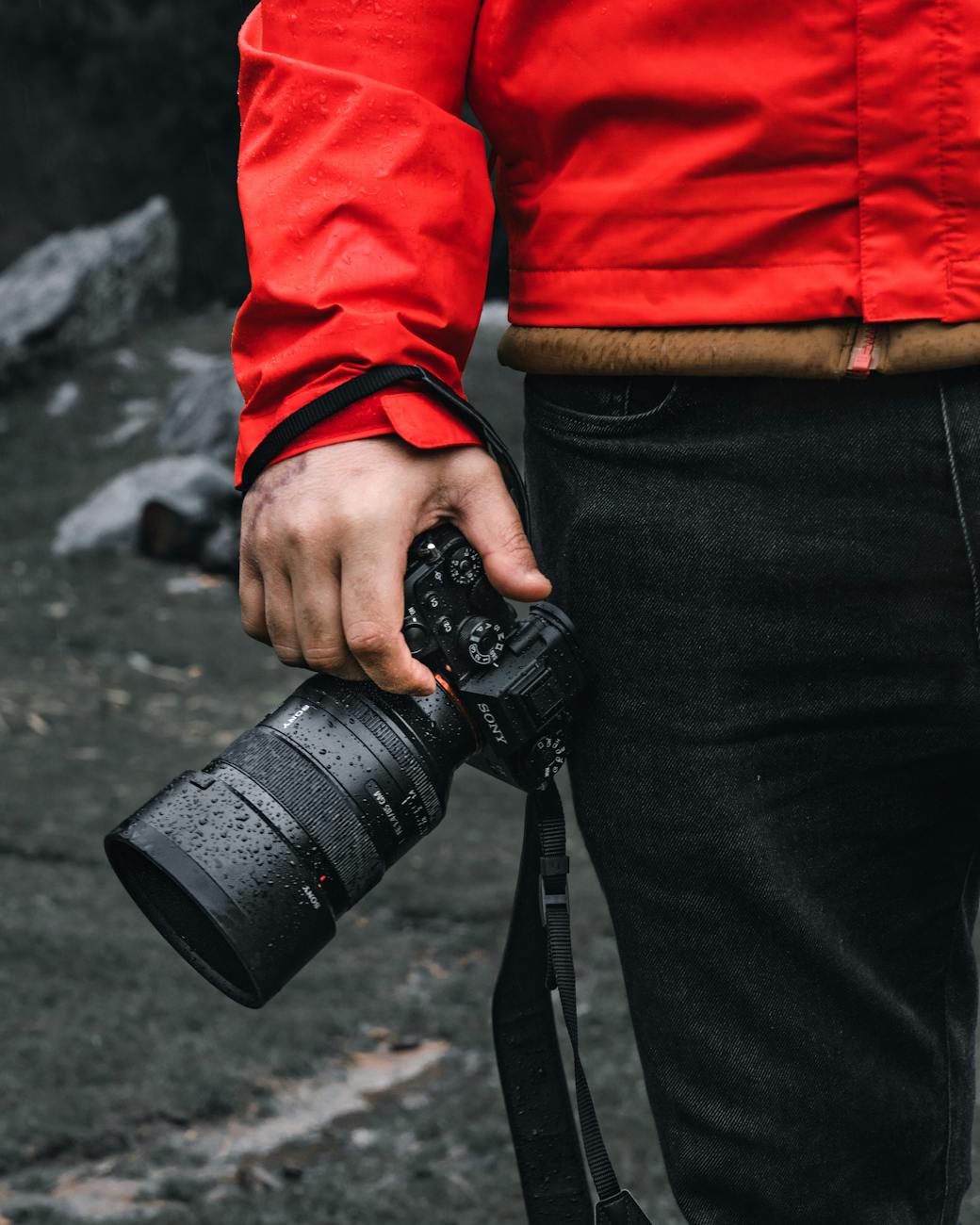
One of the key mental health benefits of photography lies in the empowerment it provides through creative control. Individuals faced with mental health challenges often feel a loss of agency in their lives due to overwhelming circumstances. Photography puts individuals in the driver’s seat, allowing them to choose their subjects, perspectives, and individual style. This control can instill a sense of purpose and achievement, counteracting feelings of helplessness.
In therapeutic settings, empowering clients through creative control has been shown to foster self-esteem and resilience. A study found that when individuals engage in creative activities, such as photography, they cultivate a sense of mastery and accomplishment that can translate into other aspects of their lives. The act of creating and capturing images reflects personal choices and perspectives, re-establishing confidence in one’s decision-making abilities.
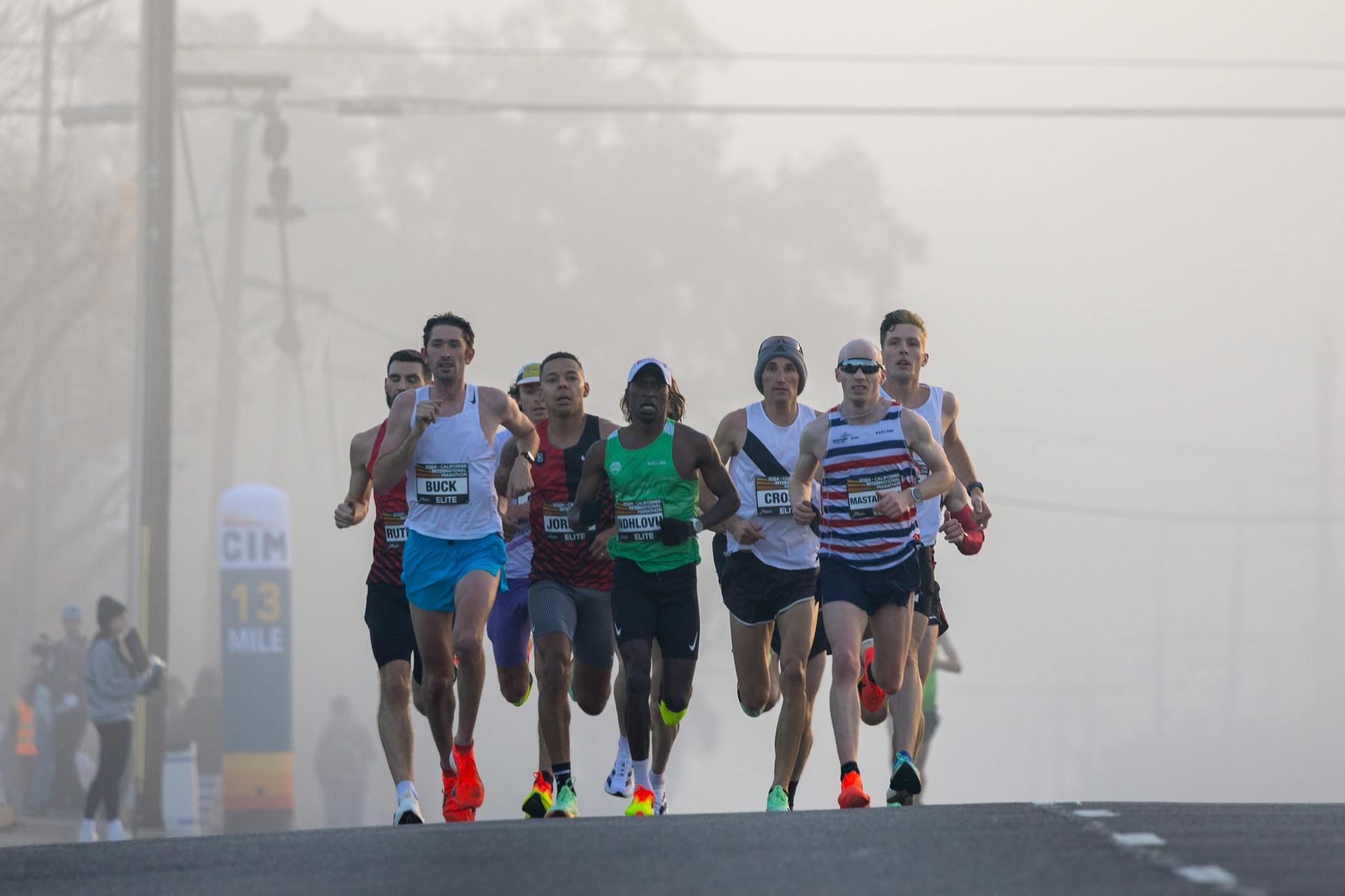
Emotional resilience is a powerful aspect of mental health that enables individuals to cope with adversity. Photography cultivates this resilience by providing opportunities for reflection and learning through experience. Photographers often revisit their images, gaining insights into their emotional states and personal experiences. This self-reflection can foster growth by encouraging individuals to confront and process their emotions, rather than suppress them.
Engaging in photography nurtures the ability to find beauty in ordinary situations, thereby altering one’s perspective on life. This shift in focus can contribute significantly to improving emotional resilience by creating a more appreciative outlook, making it easier to cope with negative situations. Studies have shown that gratitude, often nurtured through creative practices such as photography, correlates with improved mental health. By deliberately focusing on positive aspects of their lives, individuals can enhance their overall mood and resilience against everyday stressors.

Mental health issues are frequently accompanied by feelings of loneliness and isolation. Taking photographs can facilitate stronger social connections by providing a common ground for interaction. Photography serves as a social connector; sharing images can spark conversations, forge new relationships, or strengthen existing bonds. Participating in photography clubs or online communities allows individuals to connect with like-minded people, fostering a sense of belonging and support.
The social aspect of photography is substantiated by a variety of research. Engaging with peers to share experiences and ideas has shown to alleviate feelings of isolation, enhance confidence, and promote positive emotional exchanges. Scenarios such as documenting events, family gatherings, or nature explorations create shared experiences, helping to combat loneliness and provide valuable social support essential for good mental health.

Many mental health professionals have begun integrating photography into therapeutic practices. The use of photography in art therapy has shown promising results in helping clients explore emotions and reflect on their life experiences. Therapists utilize photography to help clients illustrate thier feelings, document personal narratives, and foster self-acceptance. This method not only empowers clients but also enhances their recovery journey through visual storytelling.
Additionally, therapeutic photography workshops have emerged as a valuable resource for those suffering from mental health issues. Participants learn skills such as composition, lighting, and editing while simultaneously engaging in discussions about mental health. These workshops not only teach practical skills but also build a supportive community rooted in shared experiences.
Whether as a hobby or a therapeutic avenue, photography offers unparalleled benefits that are crucial for mental health and overall life satisfaction. Encouraging its practice can lead to a significant improvement in the quality of life for many, ultimately fostering healthier communities in an increasingly complex world. Photography serves as an invaluable outlet for improving mental health through mindfulness, self-expression, empowerment, emotional resilience, and social connection. By exploring the lens through which individuals view the world, photography has the power to transform the act of capturing moments into an impactful tool for well-being.
Resources:
Jeremy Sutton, Ph.D. “Mindful Photography: 11 Therapeutic Ways to Use Your Camera.” PositivePsychology.Com, Positive Psychology , 4 Apr. 2025, positivepsychology.com/mindful-photography/.
 Samayō Blog
Leave a comment